
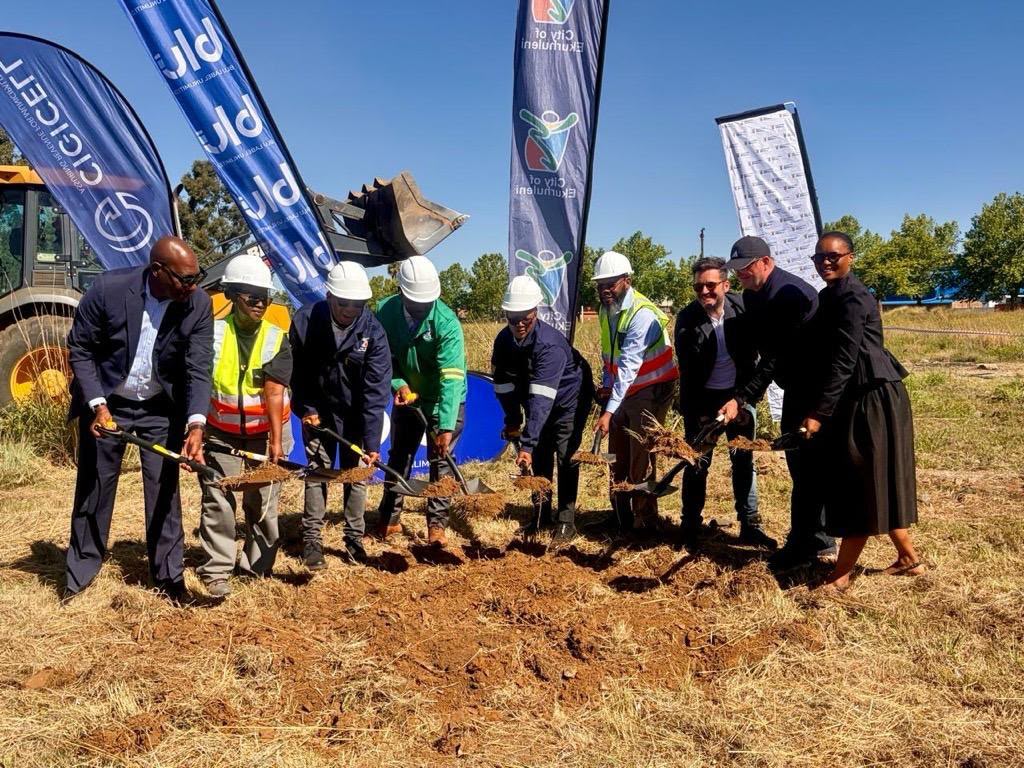
BluEnergy, part of JSE-listed Blu Label Unlimited, and its development partner IBS Crafts yesterday broke ground on a R360 million solar project at the Springs Fresh Produce Market, in partnership with the City of Ekurhuleni.
The 25.6 megawatt-peak (MWp) development will transform the market’s roof and surrounding unused land into a power-generating asset and will supply renewable electricity to the City under a 20-year power purchase agreement. The project shows how public and private sector collaboration can unlock investment in municipal infrastructure, strengthen energy security and create local employment.
Minister of Electricity and Energy Dr Kgosientsho Ramokgopa and City of Ekurhuleni Executive Mayor Alderman Nkosindiphile Xhakaza led the sod-turning ceremony, which signals the start of construction under the Ekurhuleni Independent Power Producer Programme.
Once operational, the plant is expected to generate approximately 40 gigawatt-hours of clean electricity annually, equivalent to the annual consumption of around 6,000 average households and avoid an estimated 36,000 tonnes of carbon dioxide emissions each year. It will connect to the Springs Bulk Substation, adding a local source of renewable generation to the municipal electricity network.
Aaron Suckerman, CEO of BluEnergy, said: “This is a flagship project for BluEnergy and a blueprint for municipal energy partnerships in South Africa. Together with the City of Ekurhuleni and IBS Crafts, we are bringing private capital and delivery capability to an existing public asset to create a new source of clean electricity for the City.
“The strength of this model lies in the alignment of interests. The City secures a long-term electricity supply, the private sector invests in the infrastructure, and the community benefits from investment, jobs and a more diverse energy mix. Springs demonstrates how municipalities and independent power producers can work together to turn energy reform into infrastructure on the ground.”
Approximately R360 million in capital investment will be funded by the independent power producer, enabling the development without an upfront municipal capital contribution. The City will purchase electricity generated by the plant over the term of the agreement.The construction phase is expected to create more than 100 job opportunities, with permanent operations and maintenance roles supporting the plant over its operating life.
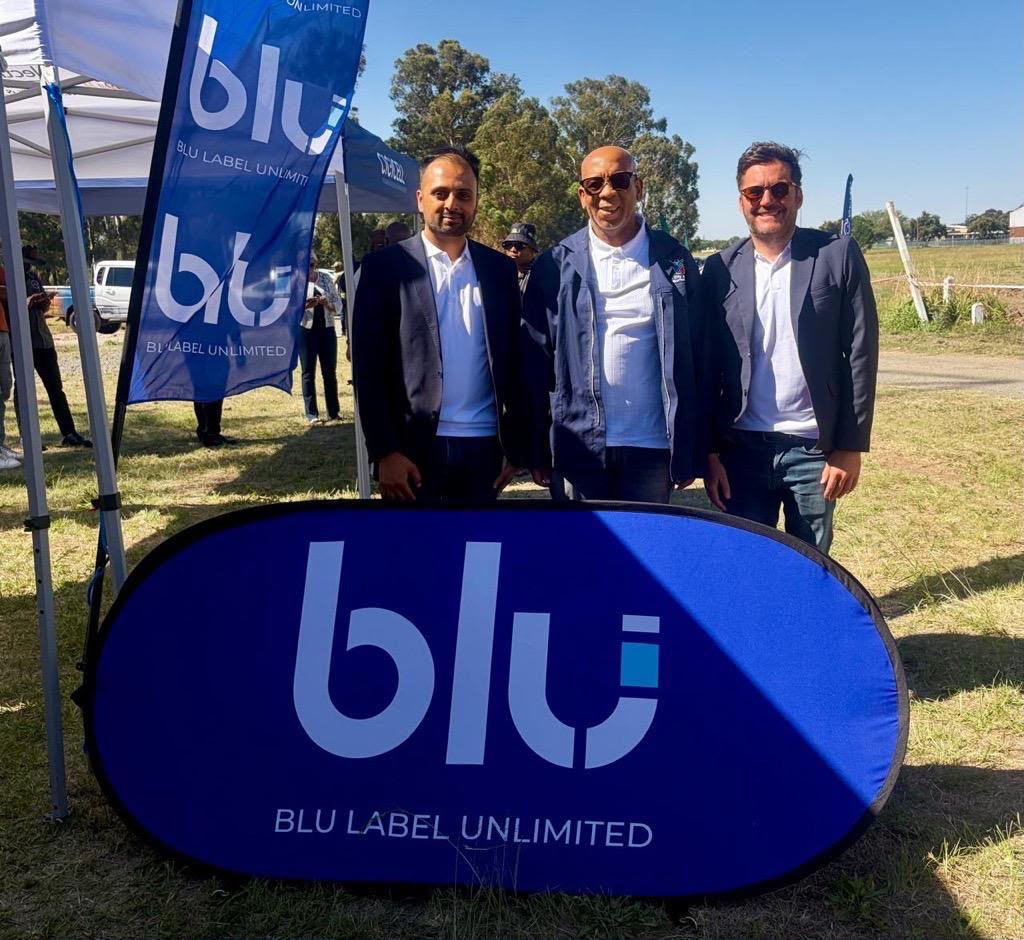
The development will bring investment and employment to Springs while making productive use of municipal property.
Mark Levy, co-CEO of Blu Label Unlimited, said: “Through Cigicell, our prepaid electricity vending and revenue assurance systems are embedded in more than 95 municipalities across all nine provinces. We understand the importance of collecting revenue, protecting municipal cash flows and maintaining the financial foundations of essential services.
“BluEnergy extends that capability into electricity supply. Bringing together generation, energy trading, payments and revenue assurance creates a stronger base for long-term municipal energy partnerships. Reliable revenue collection helps support investment in new supply, while that supply improves the municipality’s ability to serve its customers.
“Springs puts this Group strategy into practice. It deepens our municipal partnerships, creates opportunities for sustainable growth and shows how our businesses can work together to deliver lasting value for communities and shareholders.”
The project follows the granting of a multi-year energy trading licence to BluEnergy Trading by the National Energy Regulator of South Africa earlier this year. It also advances the Group’s stated focus on moving its energy platform from development into commercial execution through municipal and commercial projects.
For Ekurhuleni, the development will diversify electricity procurement, reduce dependence on a single source of supply and contribute to greater resilience against future supply constraints. It forms part of the City’s wider programme to bring independent power producers into its energy mix. Suckerman added: “The opportunity across South Africa is substantial. Municipalities need additional electricity supply and investable delivery models, while private capital needs credible projects and dependable commercial structures. This partnership brings those requirements together, with benefits that will extend well beyond the construction phase.”